About Us
About Us
The Humanitarian Action for Modern Development Initiatives (HAMDI) is a youth and minorityled, non-governmental, non-political, and non-profit organization based in Somalia, dedicated to advocating for the rights of marginalized and minority communities in the southern and central regions of Somalia. HAMDI was established on November 15, 2022, by a diverse group of Somali intellectuals from minority and marginalized communities, bringing together various areas of expertise. At least 75% of HAMDI’s board members, senior management, and staff are young individuals under the age of 35 who are committed to advocating for the rights of minority groups. HAMDI operates in the Banadir, Lower Shabelle, Middle Shabelle, Hiran, and Galgaduud regions of southern and central Somalia. Communities in these areas have experienced decades of conflict, environmental degradation, and socio-economic instability, resulting in significant barriers to essential services such as healthcare, food security, education, and economic opportunities, particularly affecting the most vulnerable people.
In light of this, HAMDI aims to foster sustainable development for all Somali communities in its target areas, with a strong focus on addressing the urgent needs of marginalized and ethnic
minority groups who are often overlooked in decision-making and resource allocation. HAMDI
also prioritizes supporting people with disabilities (PWDs) within its operational areas. Through
targeted interventions and community engagement, HAMDI aims to address systemic inequalities and promote social justice. Recognizing the historical context and ongoing
challenges these groups face, HAMDI works to elevate their voices and ensure their meaningful
participation in the development processes. HAMDI believes in the need for positive targeting
action to address historical injustice and promote equity and social cohesion.
Given this background, HAMDI is committed to understanding the unique contexts of these
communities and, by collaborating with local leaders and organizations, develops culturally relevant programs that address the needs of both marginalized and ethnic minority people,
fostering a deeper connection with the community and enhancing program effectiveness.
Through continuous dialogue and feedback, HAMDI seeks to refine its approaches and ensure
they are responsive to community needs. This commitment not only enhances project outcomes but also builds trust and partnership within the communities served.
Central to HAMDI’s approach is a belief in community participation. By involving communities
in planning and executing initiatives, HAMDI empowers individuals to take ownership of their
development, fostering pride and responsibility. The organization’s programs span multiple sectors, including emergency response, health, education, water and sanitation, food security, and economic development, all aimed at creating a holistic impact on community well-being.
Improving access to clean water, for example, addresses critical health concerns and supports
educational outcomes, allowing children to attend schools regularly and succeed academically
while also enhancing overall community health and vitality.
HAMDI is dedicated to promoting gender equality and empowering women and youth, recognizing their vital roles in sustainable development efforts. Economic initiatives, such as vocational training, provide families with essential tools to build resilience and reduce poverty, contributing to community stability and growth. As HAMDI continues to evolve, it focuses on building a resilient future for the communities it serves, striving to make a tangible difference in the lives of individuals in the south-central regions of Somalia. HAMDI envisions a transformed society where everyone has the chance to thrive and contribute to his or her people.
Background Information
The socio-political landscape of south-central Somalia, particularly regarding the minority and
marginalized groups in those regions, is characterized by a complex interplay of historical, economic, and environmental factors. Over the past few decades, these regions have faced civil unrest, displacement, and the impacts of climate change, including severe droughts and unpredictable floods. Another issue exacerbating the humanitarian plight of marginalized and
minority groups is their struggle with the repercussions of historical injustices, ongoing socio-
political unrest, and the impacts of climate change.
These challenges have led to significant humanitarian crises, leaving many communities
without access to basic services and necessities such as clean water, healthcare, food, education, and economic opportunities. These issues generally affect the entire Somali nation, mainly the marginalized and minority groups, as well as persons with disabilities
(PWDs), who are among the most vulnerable members of the society and often face unequal access to opportunities and essential services compared to non-marginalized and minority
groups. This instability further exacerbates poverty, weakens social cohesion, and makes recovery and sustainable development increasingly difficult.
In this context, the role of organizations like HAMDI becomes crucial, as they work to bridge gaps in service delivery and empower the most vulnerable. By addressing both immediate needs and long-term development goals, HAMDI aims to foster a more equitable and resilient society. These efforts contribute to instilling hope, facilitating pathways for sustainable growth in the target regions, and strengthening local communities’ capacity for self-reliance.
By particularly focusing on marginalized and ethnic minority groups, HAMDI ensures that its
interventions are comprehensive and equitable; addressing the diverse needs of the
communities, it serves. This holistic approach cultivates a sense of ownership among
community members, encouraging active participation in their development journey and
fostering resilience against future challenges. HAMDI aligns its programs with national and international development goals, such as the Sustainable Development Goals (SDGs),
emphasizing the importance of reducing inequalities and fostering inclusive growth.
Through community-driven initiatives, HAMDI seeks to empower individuals and strengthen local capacities, contributing to the regeneration of social and economic systems in the five
target regions. By fostering collaboration and building networks among community members, HAMDI enhances collective resilience and encourages shared responsibility for community well-being. Ensuring its initiatives resonate with broader development agendas enhances HAMDI’s ability to attract support and funding, significantly amplifying its impact.
Vision Statement:
HAMDI envisions a future where marginalized and ethnic minority
communities in the south and central regions of Somalia attain prosperity, justice, and self-
reliance, leading dignified lives and ensuring that no one is left behind.
Mission Statement:
HAMDI is dedicated to addressing the urgent humanitarian and
developmental needs of all Somalis, with a special focus on empowering the marginalized and
ethnic minority groups in the south-central regions of Somalia.
Organizational Board structure
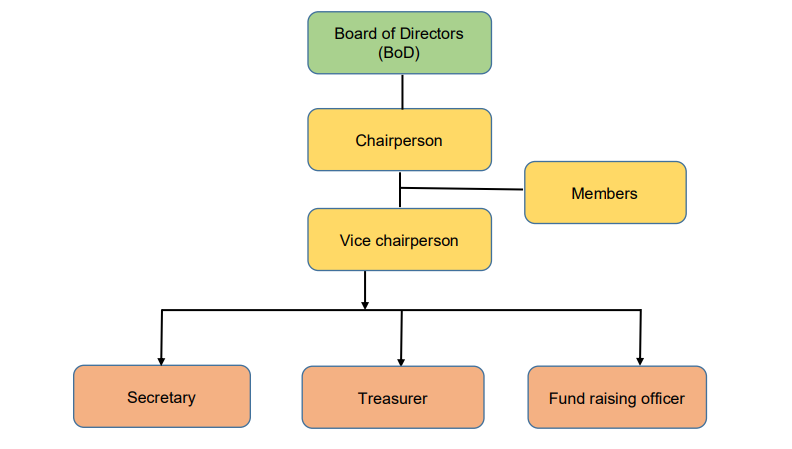
Organizational structure organigram

We believe that by working together, we can save more lives and create lasting change.
Tri-piano, around Dahabshil compound, Maka Al-mukara road,
Wabari district Mogadishu-Somalia.
Marka Afgoye, Wanleweyn, Jowhar, Beledweyne, Guri-ceel districts
Copyright 2026 By hamdi.so