Humanitarian Action for Modern Development Initiative (HAMDI)
Empowering Communities for Sustainable Development

Introduction

The Humanitarian Action for Modern Development Initiatives (HAMDI) is a youth and minority-led, non-governmental, non-political, and non-profit organization based in Somalia, dedicated to advocating for the rights of marginalized and minority communities in the southern and central regions of Somalia. HAMDI was established on November 15, 2022, by a diverse group of Somali intellectuals from minority and marginalized communities, bringing together various areas of expertise. At least 75% of HAMDI’s board members, senior management, and staff are young individuals under the age of 35 who are committed to advocating for the rights of minority groups. HAMDI operates in the Banadir, Lower Shabelle, Middle Shabelle, Hiran, and Galgaduud regions of southern and central Somalia.

Communities in these areas have experienced decades of conflict, environmental degradation, and socio-economic instability,
resulting in significant barriers to essential services such as healthcare, food security, education, and economic opportunities, particularly affecting the most vulnerable people.

In light of this, HAMDI aims to foster sustainable development for all Somali communities in its target areas, with a strong focus on addressing the urgent needs of marginalized and ethnic
minority groups who are often overlooked in decision-making and resource allocation. HAMDI
also prioritizes supporting people with disabilities (PWDs) within its operational areas. Through
targeted interventions and community engagement, HAMDI aims to address systemic inequalities and promote social justice. Recognizing the historical context and ongoing challenges these groups face, HAMDI works to elevate their voices and ensure their meaningful
participation in the development processes.

HAMDI believes in the need for positive targeting action to address historical injustice and promote equity and social cohesion.

Given this background, HAMDI is committed to understanding the unique contexts of these
communities and, by collaborating with local leaders and organizations, develops culturally relevant programs that address the needs of both marginalized and ethnic minority people,
fostering a deeper connection with the community and enhancing program effectiveness.
Through continuous dialogue and feedback, HAMDI seeks to refine its approaches and ensure
they are responsive to community needs. This commitment not only enhances project outcomes but also builds trust and partnership within the communities served.
Central to HAMDI’s approach is a belief in community participation. By involving communities in planning and executing initiatives, HAMDI empowers individuals to take ownership of their
development, fostering pride and responsibility. The organization’s programs span multiple sectors, including emergency response, health, education, water and sanitation, food security, and economic development, all aimed at creating a holistic impact on community well-being.
Improving access to clean water, for example, addresses critical health concerns and supports
educational outcomes, allowing children to attend schools regularly and succeed academically
while also enhancing overall community health and vitality.

HAMDI is dedicated to promoting gender equality and empowering women and youth, recognizing their vital roles in sustainable development efforts. Economic initiatives, such as vocational training, provide families with essential tools to build resilience and reduce poverty, contributing to community stability and growth. As HAMDI continues to evolve, it focuses on building a resilient future for the communities it serves, striving to make a tangible difference in the lives of individuals in the south-central regions of Somalia. HAMDI envisions a transformed society where everyone has the chance to thrive and contribute to his or her people.

Our Projects

Our organization truly believes that by working together, we can save more lives than ever before.

Organizational Objectives

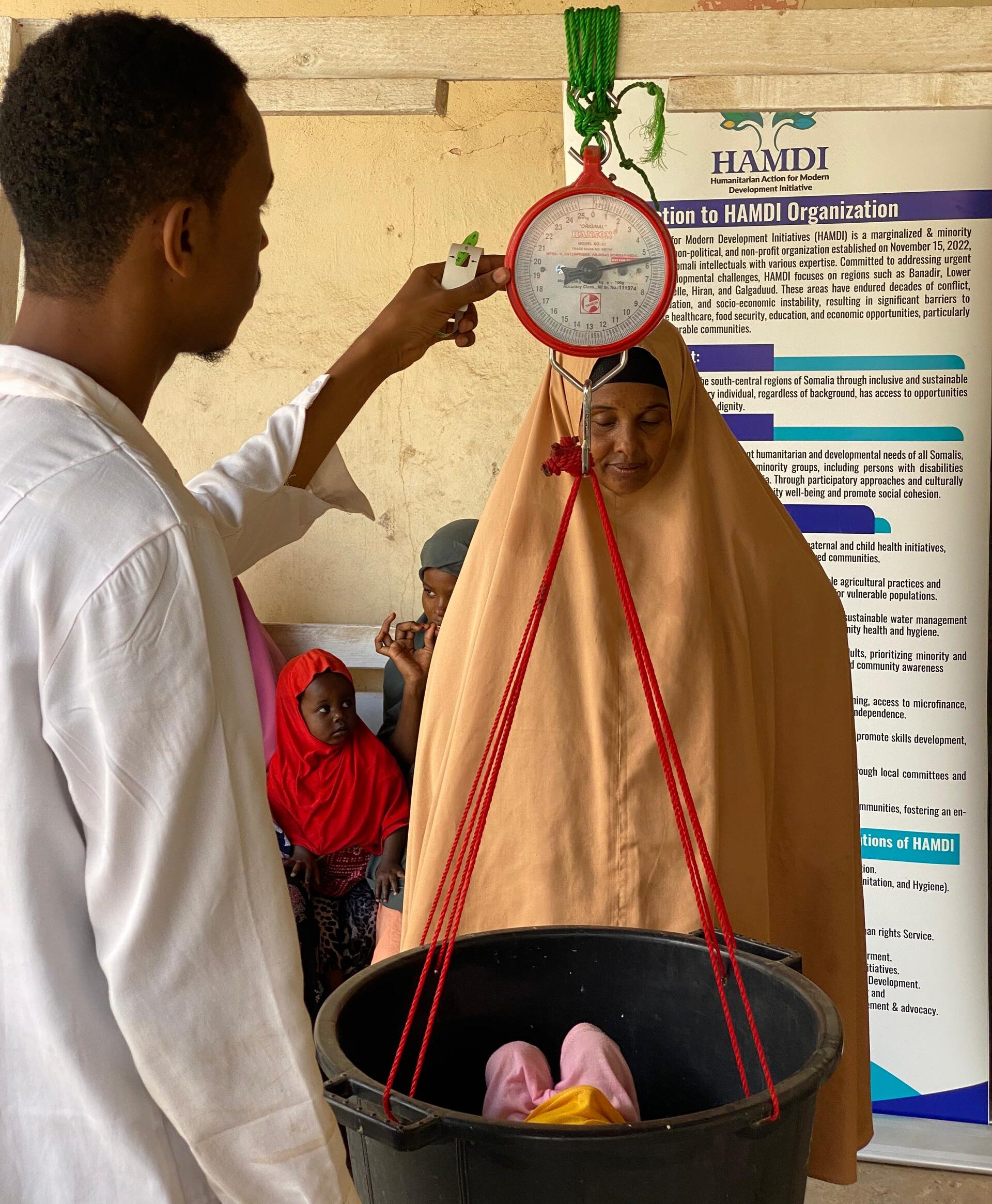
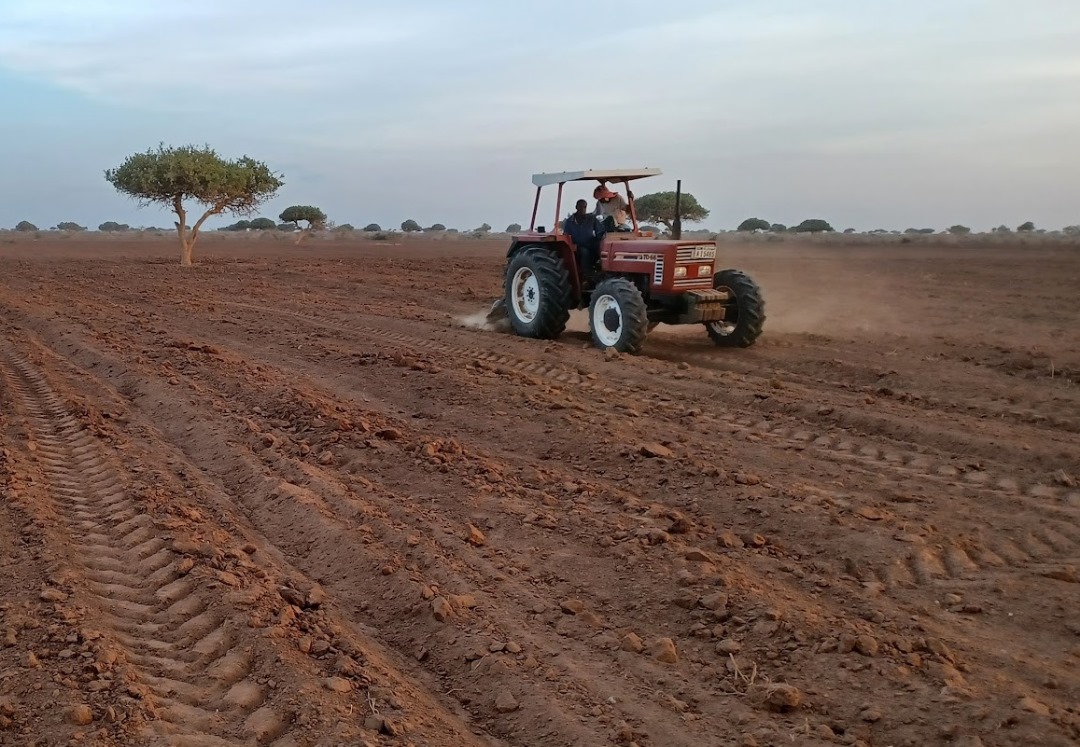
1. Provide comprehensive healthcare services, including maternal and child health initiatives, vaccinations, and health education, particularly in underserved communities. 2. Increase access to nutritious food by implementing sustainable agricultural practices and community farming initiatives, ensuring long-term food security for vulnerable populations. 3. Enhance access to clean water and sanitation by implementing sustainable water management practices and infrastructure development, improving overall community health and hygiene. 4. Promote enrollment and retention in schools for children and adults, prioritizing marginalized and ethnic minority groups, through scholarships, educational resources, and community awareness programs. 5. Support women and youth economic empowerment through vocational training, access to microfinance, and mentorship programs, enhancing their entrepreneurial skills and independence. 6. Facilitate community involvement in decision-making processes through local committees and feedback mechanisms, ensuring program relevance and sustainability. 7. Advocate for the protection and promotion of human rights within communities, fostering an environment of respect and inclusion for marginalized individuals. 8. Promote and increase access to housing, land and properties (HLP) services.
Organizational Core Values

1. Integrity: We uphold honesty, transparency, and accountability in all our actions, fostering trust within the communities we serve. 2. Inclusivity: We believe in including all voices, especially marginalized groups, to ensure equitable access to resources and opportunities. 3. Collaboration: We value partnerships and teamwork, working together with communities and stakeholders to achieve shared goals. 4. Respect: We honor the dignity and rights of every individual, promoting empowerment and cultural sensitivity in our interactions. 5. Sustainability: We are committed to practices that ensure long-term benefits for communities and the environment. 6. Innovation: We encourage creativity and adaptability in addressing challenges, seeking effective ways to improve lives. 7. Empowerment: We strive to empower individuals and communities by providing them with the tools and opportunities necessary for growth. 8. Compassion: We approach our work with empathy and a commitment to alleviating suffering, ensuring our efforts improve the well-being of others.
Target Communities

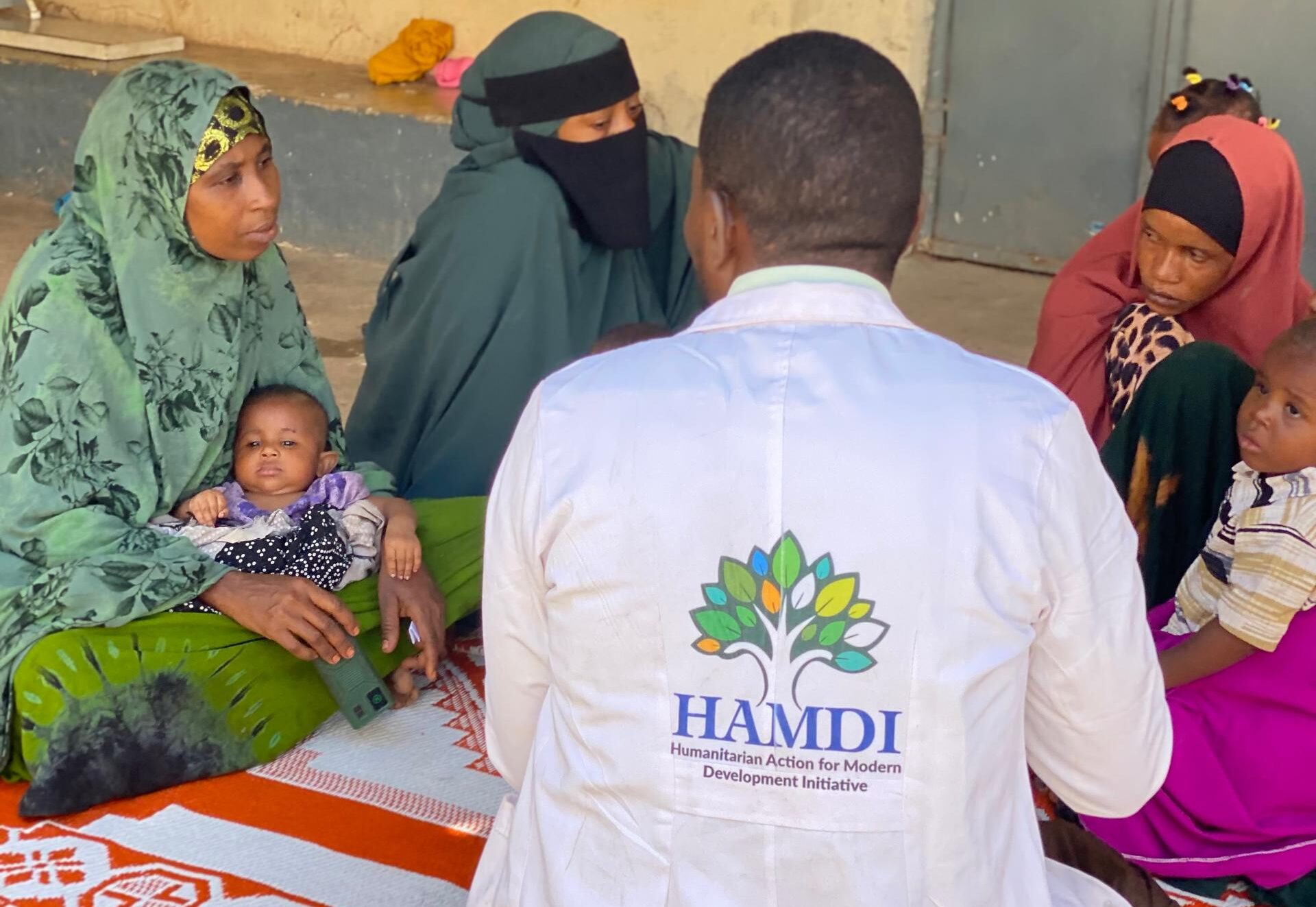
HAMDI is committed to addressing the basic humanitarian needs of all affected Somali communities, with a particular focus on marginalized and ethnic minority groups who are often overlooked in decision-making and resource allocation processes. HAMDI will also give special attention to supporting persons with disabilities (PWDs) in its operational areas, as they frequently face systemic barriers that limit their access to essential services and economic opportunities. By prioritizing these vulnerable populations, HAMDI strives to amplify their voices and ensure that their unique challenges are acknowledged and addressed within local governance and development contexts. HAMDI values engaging with all affected community members in its target regions, focusing on marginalized and ethnic minority populations as well as vulnerable groups of non-minority communities, to foster holistic progress. This inclusive approach enhances social cohesion and contributes to overall stability and prosperity in the regions. Through targeted interventions, HAMDI empowers individuals and builds community resilience, ensuring that all can actively participate in and benefit from development initiatives. HAMDI aims to cultivate a more equitable society where everyone can positively contribute to his or her community’s growth.
Together, we can give every child the chance for a healthier, brighter future.

Our partners